
Most businesses think they have a traffic problem.
In reality, they have a conversion problem.
Visitors are arriving on their website, but enquiries aren’t increasing.
This is extremely common. A site can generate hundreds or even thousands of visitors each month and still produce very few leads.
The reason is simple: Traffic does not generate revenue. Conversion does.
On average, only 2–5% of website visitors take action. When performance falls below that, it usually points to deeper issues with messaging, user experience, or search intent.
The good news is that most websites don’t need a full redesign. In many cases, the problem comes down to three things: misaligned expectations, unnecessary friction, and a lack of trust.
In this guide, you’ll learn why your website isn’t converting, and how to fix it using a structured approach that combines SEO, messaging, and conversion optimisation.
What You Will Learn
- Why websites generate traffic but still fail to produce enquiries
- The three most common conversion killers on business websites
- How SEO and conversion optimisation actually work together
- A practical framework for turning your website into a lead-generation tool
The Real Problem: Traffic Without Alignment
If your website receives clicks but produces few enquiries, the issue is rarely traffic itself.
More often, it is a disconnect between what the visitor expected and what they experienced after clicking.
Your marketing successfully opened the door. But once visitors entered, the experience did not match their expectations.
This disconnect usually appears in three forms.
1. Intent Mismatch: Attracting the Wrong Visitors
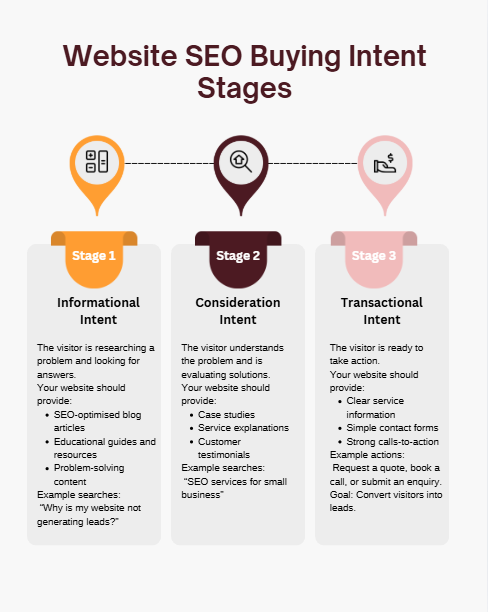
One of the most common reasons websites fail to convert is search intent mismatch.
Search intent refers to the underlying goal behind a search query. Some users want information, while others are actively looking for a service or solution.
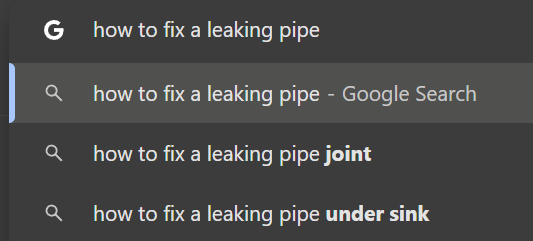
For example: someone searching for how to fix a leaking pipe is looking for instructions. If that visitor lands on a sales page promoting plumbing services, the page feels irrelevant and they leave.
On the other hand, someone searching for an emergency plumber near me expects to see contact information, service details, and a clear way to book help immediately. If that person lands on a long educational blog post instead, they will likely return to Google.
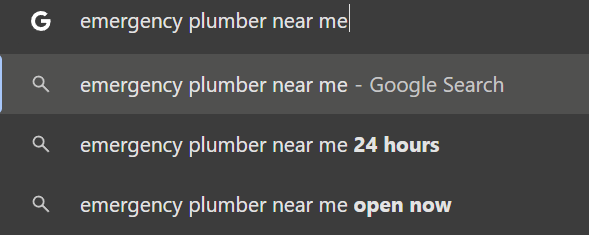
In both cases, the website receives traffic but fails to convert because the content does not match the visitor’s intent.
2. High Friction: Making Visitors Work Too Hard
Even interested visitors will abandon a website if the process feels difficult.
Friction appears in many forms:
- Slow page load times
- Confusing navigation
- Too many steps to complete a form
- Unclear calls to action
- Poor mobile experience
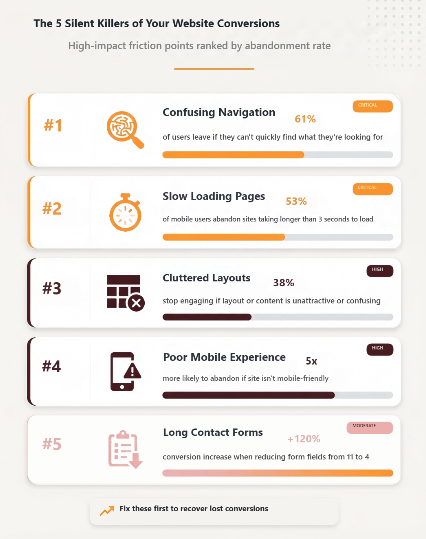
When a page takes too long to load or requires too many steps to take action, many visitors simply leave. You can check your own page speed using Google Page Speed Insights.
Google’s Core Web Vitals are a set of metrics that measure real-world user experience, including load speed, interactivity, and visual stability.
If your site is causing friction, our website design and development service is built specifically to remove these barriers.
3. The Trust Deficit
Visitors rarely convert if they feel uncertain about a business.
Within seconds of landing on a page, people subconsciously evaluate credibility. They ask themselves:
- Is this business legitimate?
- Do they understand my problem?
- Can I trust them with my time or money?
Several signals strongly influence this judgement:
- Professional design and clear branding
- Visible testimonials and reviews
- Case studies or examples of past work
- Recognisable client logos
- Clear contact information
When these signals are missing, visitors hesitate. Even if the service itself is strong, uncertainty often prevents action.
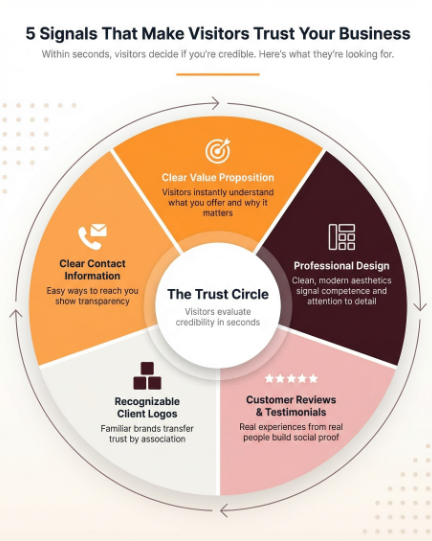
Research from the Nielsen Norman Group consistently shows that users form first impressions of a website within milliseconds, making trust signals critical.
The Most Common Website Mistake
One of the biggest issues seen across business websites is simple: they talk too much about themselves.
Many websites function like a digital brochure. They focus on company history, awards, or general claims about experience.
But visitors are not asking: “Who is this company?”
They are asking: “Can this company solve my problem?”
If that answer is not obvious within seconds, visitors often return to search results.
The strongest websites lead with the customer’s problem, not the company’s story. They make it immediately clear what they do, who they help, and what the visitor should do next.
Strong Examples:
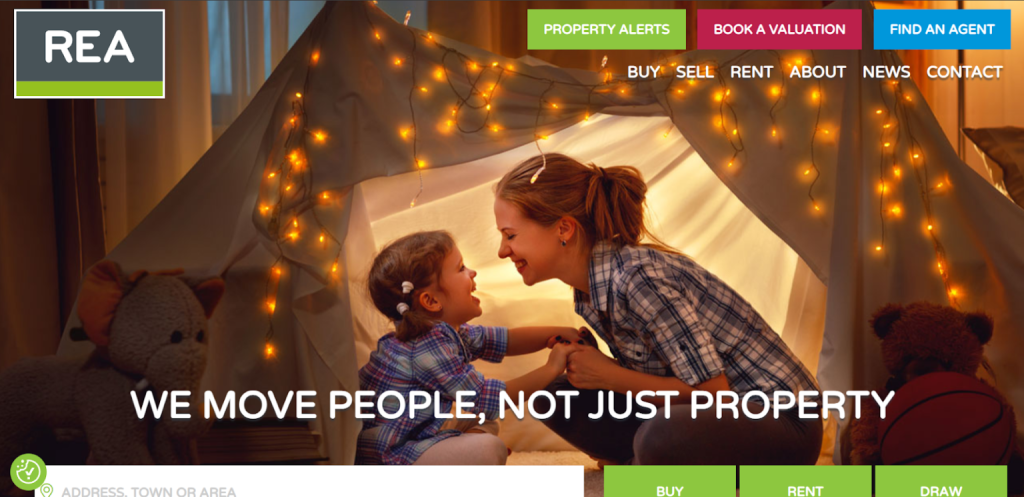
1. Customer-focused message
- “We move people, not just property”
Talks about the user’s life, not the company
2. Emotional connection
- Image of family at home
Shows the real problem: moving = emotional, not just transactional
3. Instant clarity
- You immediately know it’s about buying, selling, renting homes
No need to read long text
4. Clear actions (solutions)
- Buy, Rent, Book valuation, Find agent
Directly solves user needs
5. Avoids the common mistake
- No company history, no “we are the best”
Focus = “how we help you”
The 5-Second Test
A useful way to evaluate your homepage is the five-second test.
Within five seconds, a visitor should understand:
- What your business does
- Who your service is for
- What they should do next
If any of these are unclear, your website will struggle to convert traffic into enquiries.
Test this by asking someone unfamiliar with your business to look at your homepage for five seconds and then describe what you do. Their answer will reveal a lot.
The Cohesive Conversion Framework
To improve website performance, businesses need to align traffic, messaging, and conversion pathways.
A simple way to understand this process is through four stages:
Attract → Engage → Convert → Nurture
Each stage removes a major barrier that prevents visitors from becoming leads.
Step 1: Attract High-Intent Visitors
Before focusing on conversions, businesses must ensure they attract the right audience.
This starts with keyword strategy.
Many companies target broad industry terms with high search volume but low commercial intent. For example:
- “digital marketing”
- “SEO tips”
- “website design ideas”
These searches attract curious readers but not necessarily potential clients.
Instead, effective SEO focuses on problem-driven or service-specific searches, such as:
- “SEO services for local businesses Ireland”
- “why my website gets traffic but no leads”
- “website design for service companies”
Although these searches often have lower volume, they attract visitors who are actively looking for solutions.
Effective SEO focuses on problem-driven or service-specific searches. If you’re new to SEO, Moz’s Beginner’s Guide is a great starting point.
Step 2: Engage Visitors Immediately
Once visitors arrive on your website, the first few seconds determine whether they stay.
This is where above-the-fold messaging becomes critical.
The top section of your homepage should include three elements.
A Clear Benefit-Driven Headline
Instead of vague statements like “Expert Digital Marketing Services”, use a headline that highlights a clear outcome:
“Turn more website visitors into qualified leads with conversion-focused SEO and website optimisation.”
A Clear Call-to-Action
Visitors should instantly know what to do next. Examples include:
- “Request a Free Quote”
- “Book a Discovery Call”
- “Get a Website Audit”
Ambiguous buttons like “Learn More” rarely convert well.
A Trust Signal
Trust indicators placed near the headline significantly improve credibility. Examples include:
- “Rated 5 stars by 200+ clients”
- “Trusted by Irish businesses nationwide”
- Customer testimonials or recognisable logos
These signals reassure visitors that they are dealing with a legitimate business.
Step 3: Convert Visitors Into Leads
Once visitors understand the value of your service, the next step is capturing their interest.
Many websites lose opportunities because they provide only one contact page buried in the navigation.
Instead, every important page should guide visitors toward a clear next step.
Common lead capture options include:
- Free consultations
- Website audits
- Downloadable checklists
- Pricing guides
- Short strategy calls
The goal is to make the first interaction easy and low-risk.
Contact forms should also be simplified. In many cases, asking only for name and email significantly increases completion rates. Additional information can always be gathered later in the sales process.
Step 4: Nurture Leads Over Time
Not every visitor is ready to buy immediately.
Many people research options, compare providers, and revisit websites multiple times before making a decision. This is why lead nurturing is essential.
Once someone submits their details, businesses should follow up with useful insights, case studies, or educational content that reinforces credibility.
Even simple follow-up emails can dramatically improve conversion rates.
Once someone submits their details, businesses should follow up with useful insights and content that reinforces credibility. Our managed social media service can help keep your brand visible during this stage.
Strong Example Shopify:
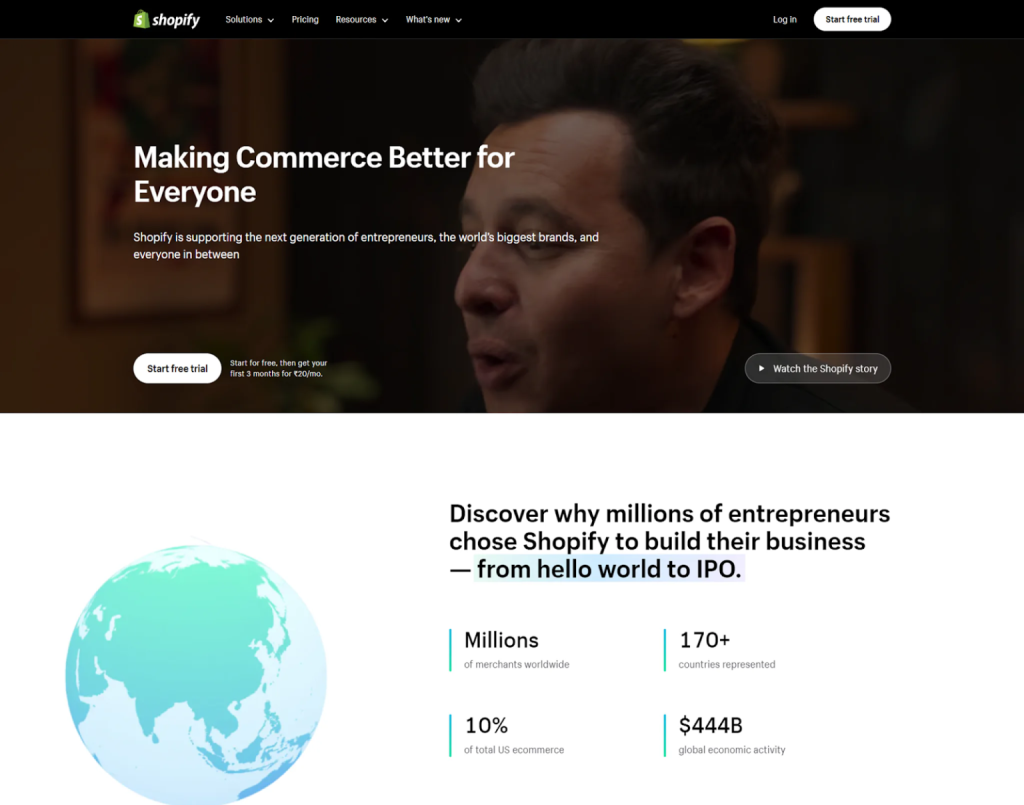
Why this works
1. Benefit-driven headline

2. Immediate clarity
You quickly understand what it’s for:

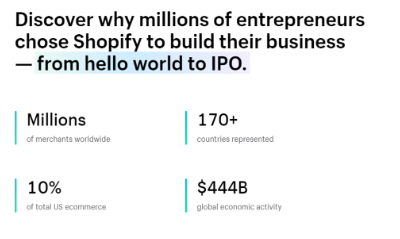
3. Value reinforcement
4. Clear action

Summary: Common Mistakes That Kill Website Conversions
Creating Content Without Keyword Demand
Many businesses write blog posts based on internal ideas rather than actual search demand. Without keyword research, the content rarely attracts organic traffic.
Publishing Thin Content
Short, generic posts rarely rank well in modern search results. Search engines prioritise comprehensive content that genuinely solves the user’s problem.
Ignoring Search Intent
If a visitor searches for a guide but lands on a sales page, they will leave quickly. Matching content format with search intent is essential.
Over-Complicated Website Design
Many businesses invest heavily in design aesthetics but overlook clarity. In practice, a clear, fast website with strong messaging will almost always outperform a visually impressive but confusing one.
Why SEO and Conversion Optimisation Must Work Together
One of the biggest misconceptions in digital marketing is that SEO and conversion optimisation are separate tasks. In reality, they are closely connected.
SEO brings visitors to the website. Conversion optimisation ensures those visitors take action.
If visitors arrive and immediately leave, search engines interpret that behaviour as a negative signal. High bounce rates and low dwell time can negatively impact rankings over time.
In other words: good conversion design supports good SEO.
If you’d like help with your keyword strategy, explore our SEO, AEO and GEO services.
Final Takeaway
Most businesses do not lose leads because they lack traffic.
They lose leads because their website experience does not match the visitor’s expectations.
When you attract the right audience, clearly communicate your value, remove friction, and guide visitors toward a clear next step, your website becomes far more than an online brochure.
It becomes a reliable source of new enquiries and business growth.
And in competitive markets, that difference can determine whether a business simply exists online or consistently generates new opportunities from it.
When you attract the right audience and guide visitors toward a clear next step, your website becomes a reliable source of new enquiries. Get in touch with us to find out how we can help.
Frequently Asked Questions
1. Why is my website getting traffic but no leads?
This usually happens when there is a mismatch between what visitors expect and what they see on your website. Common causes include targeting the wrong keywords, unclear messaging, poor user experience, or a lack of trust signals. If your content doesn’t match search intent, visitors will leave without taking action.
2. What is a good website conversion rate?
Across most industries, a typical conversion rate falls between 2–5%. HubSpot’s research supports this benchmark across multiple industries.. If your website is performing below this range, it often indicates issues with messaging, user experience, or friction in your conversion process.
3. How can I improve my website conversion rate?
You can improve conversions by matching your content to search intent, using clear benefit-driven headlines, adding strong calls-to-action, reducing form fields, and including trust signals like testimonials and reviews.
4. What is the difference between SEO and conversion optimisation?
SEO focuses on bringing relevant visitors to your website through search engines. Conversion optimisation focuses on turning those visitors into enquiries, leads, or customers. In simple terms: SEO drives traffic. Conversion drives results.
5. Why is search intent important for SEO?
Search intent reflects what a user is trying to achieve when they search on Google. If your content does not match that intent, visitors will leave quickly. This not only reduces conversions but can also negatively impact your rankings over time.
6. Do I need more traffic or better conversion?
In most cases, businesses don’t need more traffic — they need better conversion. If your website already receives visitors but generates few leads, improving your messaging and user experience will deliver faster results than increasing traffic alone.
7. How long does it take to see results from SEO and conversion improvements?
SEO is a long-term strategy and typically takes 3–6 months to show significant results. However, conversion improvements such as clearer messaging or better calls-to-action can increase leads almost immediately.
8. Can I improve conversions without redesigning my website?
Yes. Many websites improve performance without a full redesign by updating messaging, simplifying navigation, improving page speed, and adding clearer calls-to-action. Often, small changes have a significant impact.